How to find your lost cat
Losing your cat is one of the most stressful experiences you can go through as a pet owner.
If this just happened, take a breath — you’re not alone. Studies show that around 15% of pet owners have lost a pet at some point. The encouraging part? Most of them are eventually found.
With cats, many are located very close to home, and a significant number even return on their own after a while.
Here’s how to approach the situation in a calm, practical way.
In the first hours
What you do early on matters a lot.
- Stay as calm as you can. It’s difficult, but panic will only make things harder.
- Move slowly and quietly while searching nearby — sudden movements can scare a hiding cat.
- Bring food or treats and make familiar sounds (shaking a food bag, opening a can).
- Call their name in a calm, reassuring tone.
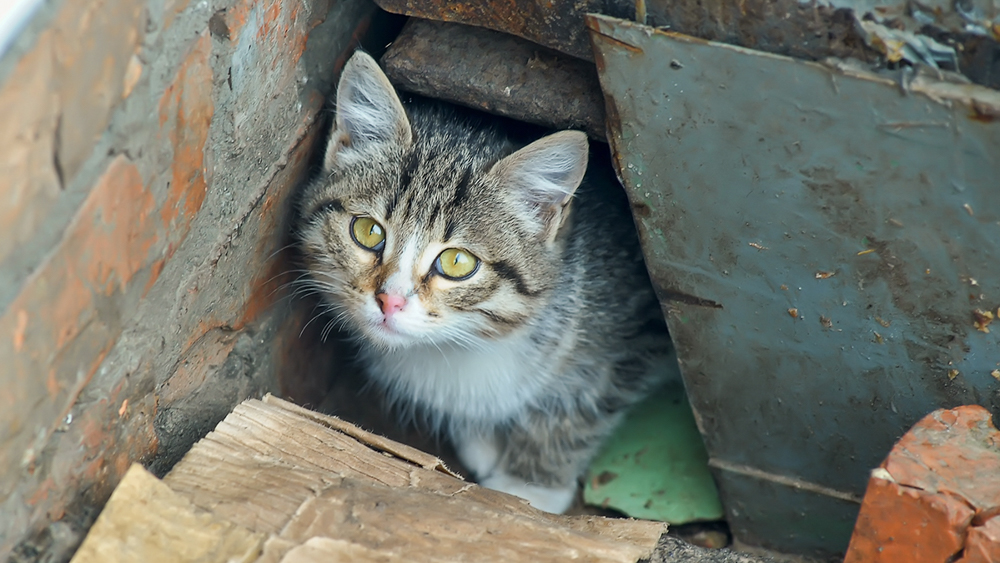
- Search thoroughly around your building — basements, stairwells, attics, boxes, bushes, and tight hiding spots. Cats can squeeze into surprisingly small spaces.
- Think like a scared cat: where would you hide if you were frightened?
- Focus on a small radius — usually within 50–100 meters. Indoor cats especially tend to stay very close.
- Talk to your neighbors and ask them to check garages, storage areas, and balconies.
If you don’t find your cat right away, don’t lose hope. Many cats come out after a few hours or even days.
In the first few days
At this stage, strategy matters more than distance.
- Not every missing cat is truly “lost” — many are simply hiding nearby.
- Avoid searching during the day. Noise and activity can keep your cat in hiding.
- Search late at night or early morning (roughly 11 PM – 6 AM), when it’s quiet.
- Go alone or with one or two people — large groups can scare your cat.
- Stay within a 100–150 meter radius and search thoroughly.
- Look up as well — cats often climb trees when scared.
- Use a flashlight — their eyes reflect light and can give away their location.
You can also help your cat find their way back:
- Leave their litter box outside (the scent can guide them)
- Put out worn clothes with your scent
- Leave food near your entrance
- Keep a safe, quiet access point open if possible
- Create a small shelter (a box with a blanket or familiar item inside)
If you have a camera or baby monitor, you can use it to keep an eye (and ear) on the area.

Posting online and making flyers
Don’t rush this step in the first hours. Give it a bit of time — your cat may still return on their own.
When you’re ready:
- Use a clear, recent photo where your cat is easy to recognize
- Keep the information simple: photo, location, key features, and your phone number
- Share in local groups and community pages
- Print flyers and place them in visible spots — pet shops, stores, bus stops, cafés
Clear and simple works better than long, detailed posts.
When your cat comes back
Most importantly — stay calm and let them settle.
- Offer their favorite food and water.
- Check for injuries or unusual behavior.
- If anything seems off, visit a vet.
- Even without visible injuries, a check-up is a good idea after time outside.
If your cat seems fine, give them space to readjust.
And don’t forget to update your posts and remove flyers — it helps others and avoids confusion.